
Tamara Severson (pen name)
Overcoming Schizophrenia: Tamara Severson (pen name)
I woke up this morning happy, energetic, and symptom-free. For someone with schizophrenia, that is often described as a miracle. For me, it is now my normal. My story contains real suffering, but it also ends in something I once believed was impossible.
My childhood was largely normal. There were difficult moments, but nothing that stood out as traumatic or unusual. I did not show signs of mental illness growing up. I have two brothers whom I love deeply. My mother has been a constant presence, giving far more time, patience, and emotional labour to my recovery than anyone should reasonably be asked to give. Her support and willingness to be firm when necessary played a defining role in my survival.
In my final year of high school, I received early acceptance into an engineering program and graduated in four years while working part-time. Life unfolded in expected ways. I experienced breakups, changes in housing, and moments of stress. At times I spiralled emotionally and likely struggled with anxiety, but nothing severe enough to require treatment or intervention.
Less than two years after graduating, I married my ex-husband. Our marriage was stable and communicative, and we spent a great deal of time together. We also drank together daily. In hindsight, I believe alcohol played a significant role in the deterioration of my mental health. When I stopped drinking after becoming pregnant, a quiet distance began to grow between us. At 25, after having my child, I was deeply committed to motherhood and focused on building a safe and loving life for them.
After having my child, I began drinking regularly again. My marriage started to feel confusing and hollow. I wanted a meaningful life and felt increasingly unfulfilled. We spent much of our time watching television, and our connection weakened. We fought often. My thinking became distorted, and I developed grand, delusional beliefs about saving the world from climate change. About a month after my 29th birthday, our marriage ended. Almost immediately, my cognition collapsed, and I entered psychosis.
At first, I was euphoric. I woke the next morning full of energy, made pancakes, took my child to the park, and visited family. I felt relieved and alive. Within days, my mood became wildly unstable. I swung rapidly between joy and despair. I danced, screamed, cried, and attempted to meditate, which only intensified the chaos in my mind. Family members noticed that my behaviour was unusual. It did not pass.
Soon my beliefs became frightening. I was convinced my ex-husband would magically harm someone close to me. I created rituals I believed were protecting others. I filled notebooks with lists, notes, and drawings that made sense only to me. When my family tried to reason with me, my paranoia worsened. After I drove to a nearby convenience store with my dog, became overwhelmed with fear, and walked home leaving my car behind, my family intervened. I was hospitalized.
In the hospital, I believed I was being evaluated for recruitment into the CIA. I refused medication because I did not believe I was ill. I believed I was chosen and responsible for keeping others safe. Eventually, a cousin convinced me to take medication by explaining it would otherwise be forced. I remained hospitalized for about a month. Although my symptoms improved, I did not return to baseline and struggled to function after discharge.
For the next two years, I cycled on and off medication. I would take it until my symptoms were controlled, then reduce or stop due to side effects. I tried many medications, none of which allowed me to function well enough at the required dose.
This pattern culminated in an 18-month period of severe illness. During that time, I received a DUI, declared bankruptcy, lost custody of my child, and lived in a tent in northern Manitoba for four months during the winter with my dog and a space heater. I was completely disconnected from reality. I believed I was married to a celebrity, in regular contact with national leaders, and working as a senior executive at a major tech company.
Eventually, my mother discovered where I was living. She drove to Manitoba and brought me and my dog back to Calgary. She insisted I be hospitalized. There, I met a doctor who saw through the version of myself I was presenting. I was placed on injectable medication and a community treatment order.
The medication reduced most of my symptoms, but I continued to struggle with disorganized thinking and daily functioning. Over the next three years, my doctor worked patiently with me. Eventually, I was prescribed a combination of Abilify and clozapine. At a low dose, clozapine restored my ability to focus. I could think clearly again. I could work. I could live.
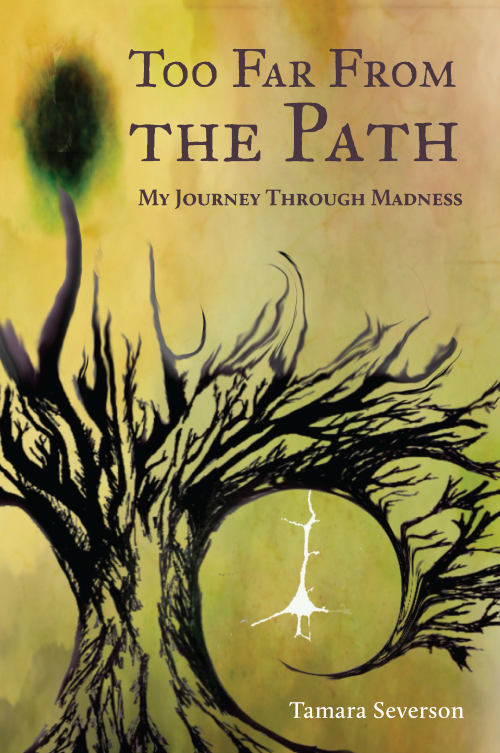
During this period of stability, I wrote my book, Too Far From the Path. Writing it allowed me to make sense of what I had endured and reclaim my narrative. I have now been sober for two and a half years, a choice essential to my stability. As the book was being published, I met a man who worked as a teacher at my child’s school. Our connection was steady and deeply supportive. We moved in together after a few months. Six months later, we exchanged rings. After nineteen months, we were married.
He is my equal and partner. He never treated my illness as something to manage or correct and never mistook support for control. He met me as I was, trusted my judgment, and respected my independence. He has formed a genuine relationship with my child, and together we have regained joint custody. Our home is steady and real.
Recovery did not mean returning to who I was before. It meant becoming someone new, grounded in truth and resilience. With the right medication, consistent medical care, and unwavering family support, I reached a stable and functional baseline. Today, I live a full life.